Introduction
In our busy and hectic Basic Self-Treatment world, finding ways to cultivate mindfulness and prioritize self-care is essential for preserving overall wellness. Integrating Reiki into your every day life is an effective tool that can assist you accomplish this balance. Reiki, a Japanese strategy for tension decrease and relaxation, utilizes the universal life force energy to promote recovery and harmony within the body. By incorporating Reiki practices into your everyday routine, you can use this energy and enhance your mindfulness and self-care practices. This article will assist you through various elements of integrating Reiki into your daily life, consisting of the history of Reiki, hand positions and symbols used in Reiki, various levels of Reiki training, the idea of energy healing, and more.
Table of Contents
What is Reiki? The History of Reiki Understanding Energy Healing Benefits of Integrating Reiki into Your Daily Life Getting Began with Reiki: Level 1 Training- Exploring the Essentials of Reiki Level 1 Learning the Hand Positions in Reiki Level 1 Incorporating Self-Reiki Practices into Your Daily Routine
- A Much Deeper Dive into the Symbols Utilized in Reiki Level 2 Broadening Your Healing Abilities with Distance Healing Expanding Your Self-Care Practices with Mental/Emotional Recovery Techniques
- Becoming a Reiki Master Practitioner/Teacher Unleashing the Power of Master Symbols in Your Practice
- Can anyone discover Reiki? How long does it require to become a Reiki practitioner? Can I utilize Reiki on myself and others simultaneously? Are there any adverse effects of getting or practicing Reiki? How typically should I practice self-Reiki? Is there any clinical evidence to support the efficiency of Reiki?
Integrating Reiki into Your Every Day Life: Cultivating Mindfulness and Self-Care
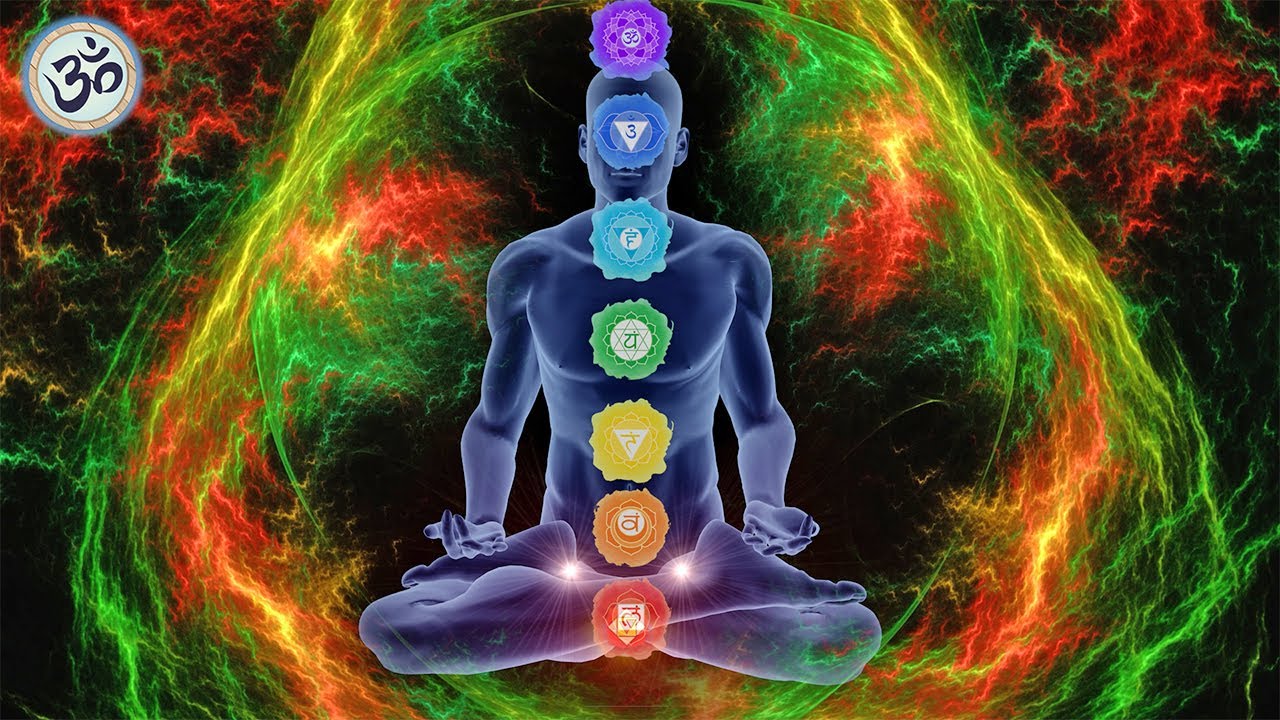
Integrating Reiki into your life can considerably boost your mindfulness and self-care practices by promoting relaxation, minimizing stress, and stabilizing your energy centers. By integrating basic self-Reiki strategies into your routine, you can produce a sacred space for yourself where you can get in touch with your inner self and find peace in the middle of the chaos.
Frequently Asked Concerns (Frequently Asked Questions)
Can anybody learn Reiki?
Absolutely! Reiki is available to everybody no matter age, gender, or background. Whether you have prior experience in energy work or are completely brand-new to the concept, finding out Reiki is open to all who are willing to explore its potential for healing and individual growth.
How long does it require to become a Reiki practitioner?
The time needed to become a qualified Reiki practitioner differs depending on the level of training you choose. Usually, Level 1 training takes one to 2 days, Level 2 training takes another one to 2 days, and Master Level training can span numerous months, depending upon the program you choose.
Can I utilize Reiki on myself and others simultaneously?
Yes, Reiki can be used on oneself and others concurrently. The energy flows easily through the practitioner's hands, allowing them to supply simultaneous healing to multiple recipients.
Are there any negative effects of receiving or practicing Reiki?
Reiki is a mild and non-invasive practice that generally has no unfavorable adverse effects. Nevertheless, it is possible to experience short-term physical or psychological releases throughout or after a session as the body launches saved energy blockages.
How typically should I practice self-Reiki?
The frequency of self-Reiki practice is totally approximately you and your personal needs. Some specialists choose day-to-day sessions, while others might find take advantage of practicing a few times a week. Listen to your intuition and allow yourself the time and area for self-care whenever you feel called to.
Is there any clinical evidence to support the efficiency of Reiki?
While the clinical neighborhood is still checking out the systems behind Reiki, many studies have revealed promising outcomes regarding its efficacy in lowering discomfort, anxiety, and tension levels, along with enhancing overall well-being. As research study continues to progress, more evidence supporting the advantages of Reiki is emerging.


Conclusion
Integrating Reiki into your every day life can be a transformative journey towards cultivating mindfulness and focusing on self-care. By learning about the history of Reiki, understanding energy recovery concepts, and checking out different levels of training, you can develop a solid foundation for integrating Reiki practices into your routine. Whether you select to concentrate on self-Reiki sessions or expand your capabilities by providing healing to others, Reiki has the possible to improve your general well-being and bring balance into your life. Welcome this powerful modality and start a course of basic self care items self-discovery and recovery with Reiki today!